
 close


 LOGIN
Giving better feedback in under 60 seconds
How to keep the ball rolling for as long as possible, and offer your players quick, clear and useful advice
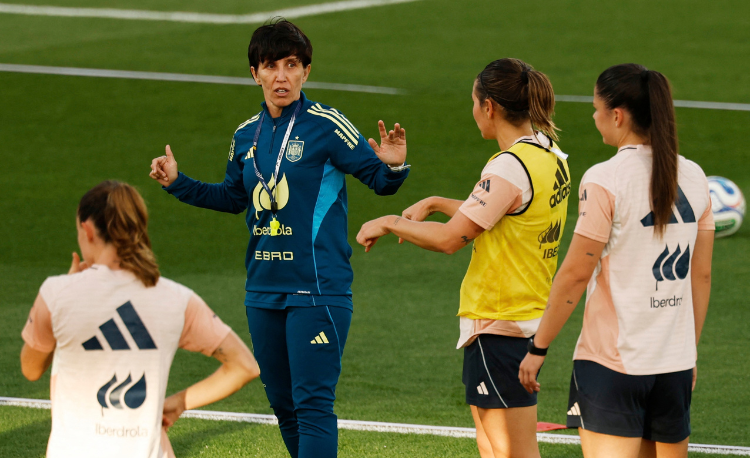
One of the easiest ways to lose valuable training time is to stop a practice every few minutes for a long coaching explanation.
We all want our players to understand what we’re asking them to do, but there’s a balance between coaching and actually letting them play. For me, the aim is to keep the ball rolling for as much of the session as possible and make the feedback quick, clear and useful.
Get in, get out
If you’ve got 12 players standing around while you explain something for three minutes, that’s a lot of lost ball-rolling time.
Instead, think about whether your feedback can be delivered in 30–60 seconds. Stop the practice, make one clear point, demonstrate if necessary, then get them playing again.
You don’t need to explain everything at once.
Focus on one thing
The temptation is to correct everything you see. Don’t.
Pick the one thing that will make the biggest difference to the practice. If you’re working on playing through midfield, for example, you might focus on scanning before receiving rather than simultaneously correcting body position, passing weight, movement and communication.
One good coaching point is more likely to be remembered than five.
Ask, don’t always tell
Quick feedback doesn’t have to mean the coach does all the talking.
Try asking a player:
- “What did you see there?”
- “Where could you have moved to help her?”
- “What might you do differently next time?”
A 20-second conversation can be more effective than a two-minute lecture because the player has had to think about the problem herself, driving engagement and understanding.
Coach the moment
Don’t wait until the end of a 20-minute practice to tell players what they could have done something differently. If possible, give feedback while the moment is still fresh.
Sometimes that can be as simple as a quick word as players reset: “Good idea - next time, check your shoulder first.”
Then let them go again.
Make your feedback specific
“Well done” is positive, but it doesn’t tell the player what was good.
Try:
- “Great first touch into space.”
- “Good decision to delay rather than dive in.”
- “That’s better - you’re checking your shoulder before receiving now.”
Specific feedback tells players exactly what to repeat.
For female players, particularly younger players who may lack confidence, this can be really powerful. You’re not just telling them they’re doing well; you’re showing them why they’re doing well.
The best feedback doesn’t need a whiteboard, a three-minute explanation or a dramatic intervention. Sometimes it’s one sentence, delivered at the right moment, followed by another opportunity to try.
You need to be logged in to continue reading.
Please register for limited access or take a 30-day risk-free trial of Women's Soccer Coaching to experience the full benefits of a subscription.

Hannah Duncan

Latest Content
Subscribe Today

Newsletter Sign Up
Subscribe Today


Newsletter Sign Up
Subscribe Today
Latest Issue
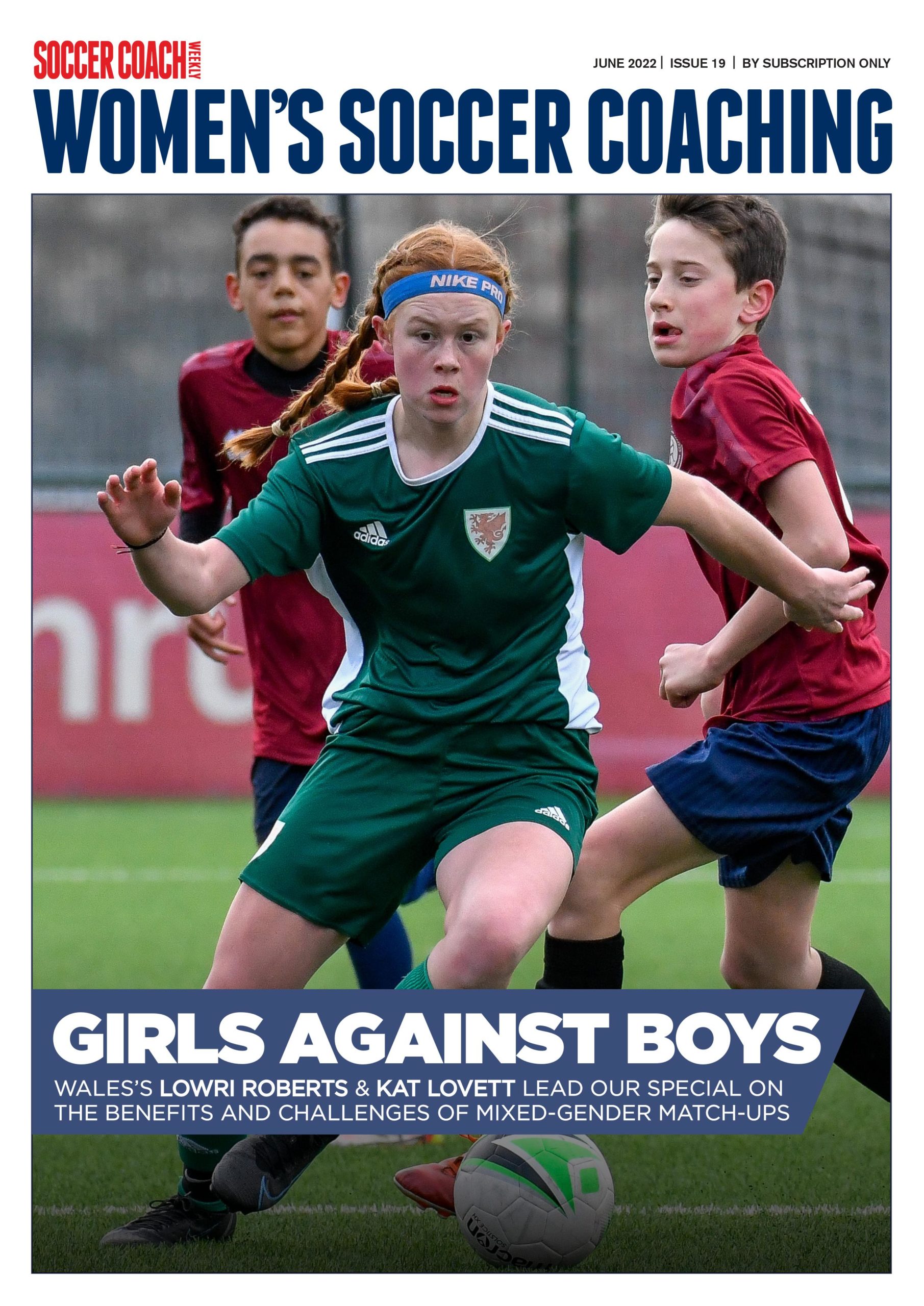
Discover the simple way to become a more effective, more successful soccer coach
In a recent survey 89% of subscribers said Women's Soccer Coaching makes them more confident, 91% said Women's Soccer Coaching makes them a more effective coach and 93% said Women's Soccer Coaching makes them more inspired.
*includes 3 coaching manuals
Get Inspired
All the latest techniques and approaches


Women's Soccer Coaching offers proven and easy to use soccer drills, coaching sessions, practice plans, small-sided games, warm-ups, training tips and advice.
We've been at the cutting edge of soccer coaching since we launched Soccer Coach Weekly in 2007, creating resources for the grassroots youth coach, following best practice from around the world and insights from the professional game.
