
 close


 LOGIN
Helping players understand roles rather than positions
Tips on how helping players to understand roles can support them to grasp, and be open to changing, positions


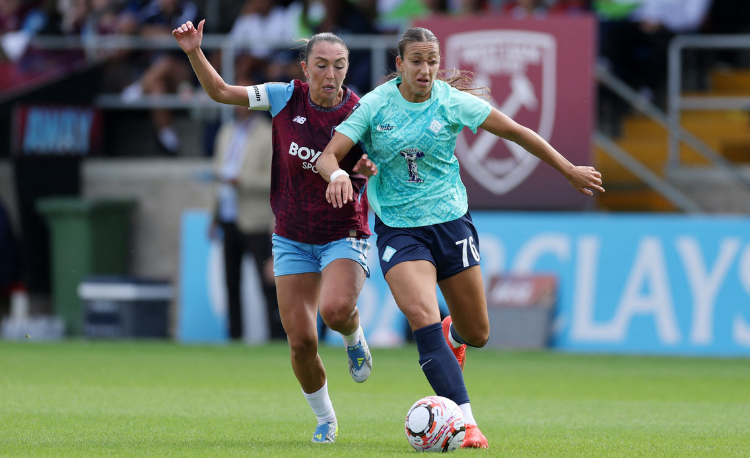
The start of a new season is the perfect time to get players thinking differently about where they play.
Whether you’ve signed new players, changed formation or simply want to develop individuals in different ways, there can often be a bit of negativity from players around changing positions, with many keen to pigeon-hole themselves as a centre-forward or left winger for example.
To tackle this mindset, try changing the conversation. Rather than talking about positions, talk about roles.
A position is where a player starts on the team sheet. A role is what you expect them to do once the game begins.
For example, a full-back in one team might be asked to stay deep and defend one-on-one. In another team, she might be expected to overlap every attack and deliver crosses into the box. Same position, completely different role.
Helping players understand that difference makes them much more adaptable.
One thing you can do in pre-season is explain the role before telling the player where they’ll be playing.
Rather than saying, “You’re playing left wing today,” say, “Today I need someone who can stretch the pitch, attack the space behind their full-back and recover quickly when we lose possession.”
Then before you tell players the starting formation and line-up, they already understand what success looks like for them individually.
This is especially useful if you’re introducing a new formation.
Players often panic when they hear you’re moving from a 4-3-3 to a 3-5-2 or a 4-2-3-1 because they immediately think their position has disappeared. In reality, many of the responsibilities stay exactly the same.
Instead of overwhelming players with tactical diagrams, explain the differences in simple terms.
- What changes when we have the ball?
- What changes when we lose it?
- Who supports you?
- Who are you supporting?
Those questions are usually far easier for players to understand than a whiteboard full of arrows.
It’s also worth reminding players that roles change during a game. A winger may become a second striker when attacking before dropping back into midfield to defend. A centre midfielder might be asked to dictate play one week and press aggressively the next, depending on the opposition.
The more players understand why their role changes, the quicker they adapt.
Finally, don’t be afraid to move players around during pre-season.
It’s often the best time to experiment without the pressure of league points. Some players discover strengths they never knew they had, while others gain a better understanding of teammates’ responsibilities, making them better decision-makers wherever they eventually play.

Latest Content
Subscribe Today

Newsletter Sign Up
Subscribe Today



Newsletter Sign Up
Subscribe Today
Latest Issue

Discover the simple way to become a more effective, more successful soccer coach
In a recent survey 89% of subscribers said Women's Soccer Coaching makes them more confident, 91% said Women's Soccer Coaching makes them a more effective coach and 93% said Women's Soccer Coaching makes them more inspired.
*includes 3 coaching manuals
Get Inspired
All the latest techniques and approaches


Women's Soccer Coaching offers proven and easy to use soccer drills, coaching sessions, practice plans, small-sided games, warm-ups, training tips and advice.
We've been at the cutting edge of soccer coaching since we launched Soccer Coach Weekly in 2007, creating resources for the grassroots youth coach, following best practice from around the world and insights from the professional game.
