
 close


 LOGIN
How clubs can build a girls’ pathway that lasts
Sport Sister’s Natalie Doyle sets out actions you can take to make sure your girls pathway is around for the long-term
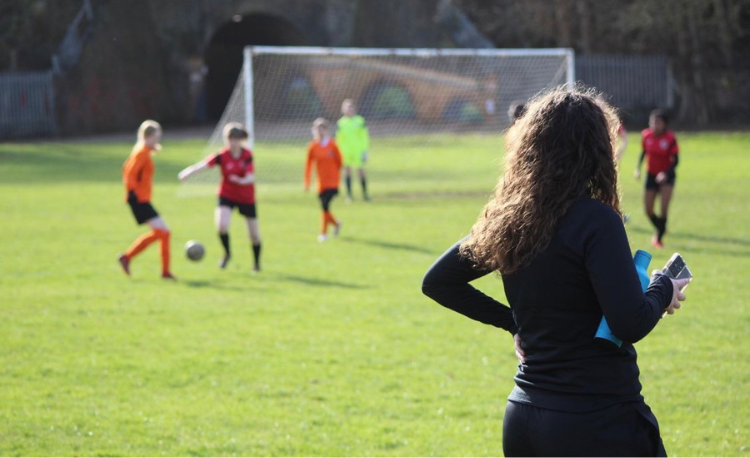
More grassroots clubs than ever want to grow opportunities for women and girls in football. At a pace, clubs are launching new teams, creating girls’ sections and exploring how they can become more inclusive environments.
But while starting a girls’ team is one thing, creating a pathway that lasts long-term is something very different.
Over the past few months, I’ve spoken with a number of grassroots clubs about their ambitions for girls’ football development. And one thing has become very clear: Many clubs don’t struggle with enthusiasm. They struggle with sustainability.
Growth is about more than starting teams. A lot of clubs focus heavily on launching new teams or increasing participation numbers quickly. While growth is important, sustainable growth requires much more than simply getting players through the door.
Without the right structures in place, clubs can quickly face challenges around:
- volunteer burnout
- coach shortages
- poor retention
- unclear pathways
- communication issues
- limited long-term planning.
This is often why clubs experience cycles of rapid growth followed by decline.
But there are some steps that can be taken to work towards sustainable programmes.
Start with a clear vision
One of the first questions clubs should ask is: What do we actually want girls’ football to look like at our club in 3–5 years?
For some clubs, success might mean:
- introducing one or two younger age groups
- creating stronger links with a women’s team
- building a more inclusive culture
- increasing female coaches and volunteers.
For others, the ambition may be to create a full girls’ pathway from introductory football through to adult provision.
There is no single “right” model. But clubs that succeed long-term usually have a clear sense of direction.
Build people, not just teams
One of the biggest mistakes clubs make is focusing only on player recruitment.
Strong girls’ pathways are built through people:
- coaches
- volunteers
- parents
- mentors
- role models
- young leaders.
Many clubs rely heavily on one or two passionate individuals, which creates huge pressure and long-term risk.
Developing sustainable pathways means gradually building wider support around the girls’ section rather than expecting one volunteer to do everything.
Create realistic entry points
Not every club needs to launch multiple girls’ teams immediately.
In many cases, starting smaller can actually create stronger foundations.
Examples might include:
- Wildcats sessions
- girls-only training centres
- school partnerships
- holiday camps
- transition sessions linked to existing boys’ teams
- player development centres.
This gives clubs time to:
- build coaching capacity
- understand local demand
- develop relationships with families
- establish culture and identity.
Schools and community links matter
If clubs want girls’ football pathways to grow long-term, they need to think beyond matchdays.
Strong community visibility helps clubs:
- attract new players
- improve awareness
- create trust with families
- build stronger local relationships.
Schools can play a huge role in this process, particularly at younger age groups where many girls first engage with football.
The clubs that often grow most sustainably are the ones that become visible, welcoming parts of their local community.
Culture matters more than clubs sometimes realise
Retention in girls’ football is heavily influenced by environment and experience.
Players are more likely to stay involved when they:
- feel welcomed
- feel valued
- enjoy the social side of football
- see positive role models
- feel supported by coaches
- feel safe and included.
This applies equally to volunteers and parents.
A positive culture cannot simply be written in a club handbook. It needs to be reflected consistently across coaches, communication and behaviour.
Sustainable growth takes patience
One of the strongest themes I hear from clubs is pressure to grow quickly.
But the clubs that build pathways that genuinely last are often the clubs willing to:
- grow gradually
- strengthen foundations first
- invest in people
- prioritise culture
- think long-term.
Sustainable growth may feel slower in the short term, but it creates much stronger outcomes over time.
Final thoughts
There has never been more opportunity within girls’ football, but long-term success requires more than simply starting new teams.
Clubs that build pathways that truly last are the clubs that focus on:
- people
- culture
- sustainability
- community
- long-term planning.
At Sport Sister, we support clubs and organisations with the sustainable growth of women’s and girls’ sport through consultancy, strategy and development support.
You need to be logged in to continue reading.
Please register for limited access or take a 30-day risk-free trial of Women's Soccer Coaching to experience the full benefits of a subscription.

Natalie Doyle

Latest Content

Subscribe Today

Newsletter Sign Up
Subscribe Today




Newsletter Sign Up
Subscribe Today
Latest Issue

Discover the simple way to become a more effective, more successful soccer coach
In a recent survey 89% of subscribers said Women's Soccer Coaching makes them more confident, 91% said Women's Soccer Coaching makes them a more effective coach and 93% said Women's Soccer Coaching makes them more inspired.
*includes 3 coaching manuals
Get Inspired
All the latest techniques and approaches


Women's Soccer Coaching offers proven and easy to use soccer drills, coaching sessions, practice plans, small-sided games, warm-ups, training tips and advice.
We've been at the cutting edge of soccer coaching since we launched Soccer Coach Weekly in 2007, creating resources for the grassroots youth coach, following best practice from around the world and insights from the professional game.
