
 close
close


 LOGIN
LOGINYou are viewing
1 of your 3 free articles
5 tips for fuelling during summer tournaments
Nutritionist Reilly Beatty offers advice on how your players can survive the heat


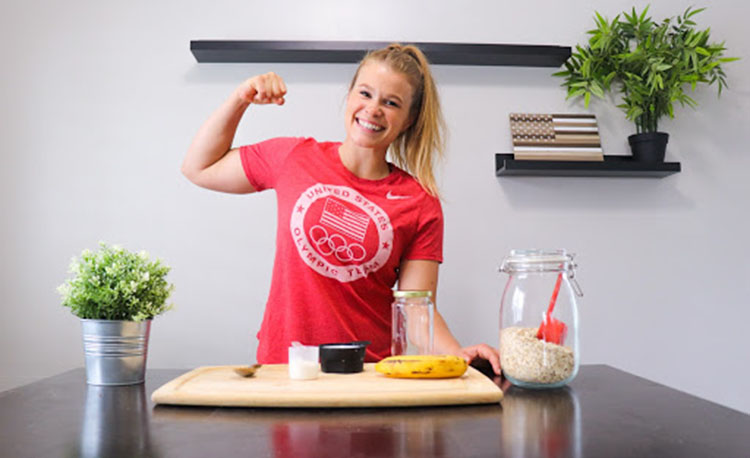
With players on the road and tournament schedules ever-changing, knowing what to eat, and the right amount, can be difficult.
However, fuelling correctly and keeping well hydrated is imperative to survive the heat of competition. So here are five tips for your players to feel their best in summer tournaments.
01 - HYDRATE, HYDRATE, HYDRATE!
In summer, it is important to stay hydrated during games. At a minimum, players should drink half their body weight in ounces of water. So, a player weighing 140lbs should drink around 70oz of water per day.
It is important to establish a solid hydration routine around game day to prevent cramps and regulate body temperature. Players should have 16-32oz of water about 2-3 hours before a game, and an additional 8-10oz of an electrolyte-containing drink around an hour before.
If your game is early in the morning, players should drink water throughout the day before and add an electrolyte drink to their pre-game fuel in the morning.
In an ideal situation, players should drink 8-10oz of fluids every 15-20 minutes during the game. It is likely, though, they might not get a chance to rehydrate until halftime.
I suggest sipping on at least 10oz of a cold sports drink at the beginning of halftime. This will help players refuel and rehydrate, and allow their stomach to settle before the second half.
After the game, players should try to drink 24oz of fluids per pound of bodyweight lost to replenish what was lost in sweat.
02 - CARB-LOAD BEFORE A GAME
When it comes to maximizing performance during tournaments (and soccer games in general), carbs are important.
Carbohydrates are stored as glycogen in your muscle and liver. This is a player’s main source of fuel during a match and helps prevent them from running out of energy by the second half - they will lose about 95 per cent of their stored glycogen in a 90-minute match.
"At a minimum, players should drink half their body weight in ounces of water..."
Players can start loading up the night before a game by eating a meal with at least half
the plate consisting of carbohydrates such as rice, pasta or potatoes. This meal is extremely important if players have trouble fuelling throughout the tournament.
Tournament days can be extremely hot and this will likely decrease players’ appetites, making it harder to fuel and refuel.
Not only will a meal like this fuel players for the next day, the carbs will also help improve their sleep quality and make them feel recovered come game time.
03 - HAVE A SOLID PRE-GAME BREAKFAST
The pre-game breakfast might look different depending on when your team’s match starts.
If players have time in the morning, they should aim to eat a meal that is one-third carbs, one-third colour, and one-third protein, about three hours beforehand. Overnight oats is a quick and easy breakfast option.
Then, players should be sure to top off their energy with a carb-rich snack like dried or fresh fruit, juice, or a couple slices of toast.
If your team’s game starts too early for players to have a larger meal, they should aim to have a carb-rich snack like a toasted bagel with spread, a peanut butter and jelly sandwich, waffles with honey or a fruit smoothie. These are higher in carbs, lower in fibre and fat, give players energy and will curb an upset stomach.
04 - USE HALF-TIME TO REFUEL
A 15-minute halftime seems like it flies by, but players can make every minute count by recovering, refuelling, and rehydrating. As I said earlier, players must start this refuelling process as soon as they can to let their stomach settle before the second half. A cold, electrolyte- containing drink will provide hydrating fluids, electrolytes and a boost of carbs.
05 - COOL DOWN WITH YOUR POST-GAME FUEL
Players get an extra boost by fuelling properly after matches. It’s important for them to replenish their carb stores, eat protein to support muscle repair, and hydrate properly to cool body temperature.
They should aim for the ideal 3:1 ratio of carbs to protein as soon as they can. If they’re home soon after the game, they can make a refreshing post-game smoothie, or they should pack a bottle of chocolate milk if it’ll be hard to eat.
For a refreshing and hydrating snack, sprinkle salt on some watermelon, or pair a piece of fruit with a protein-packed snack like Greek yogurt.
Once players are able to eat another meal, I suggest having a balanced performance plate with one-third carbs, one-third colour, and one- third protein.
Players have to train their body to handle any fuelling changes. Practising some of these habits now will help them get accustomed come game day.
Related Files
Latest Content
Subscribe Today

Newsletter Sign Up
Subscribe Today

Newsletter Sign Up
Subscribe Today
Latest Issue

Discover the simple way to become a more effective, more successful soccer coach
In a recent survey 89% of subscribers said Women's Soccer Coaching makes them more confident, 91% said Women's Soccer Coaching makes them a more effective coach and 93% said Women's Soccer Coaching makes them more inspired.
*includes 3 coaching manuals
Get Inspired
All the latest techniques and approaches


Women's Soccer Coaching offers proven and easy to use soccer drills, coaching sessions, practice plans, small-sided games, warm-ups, training tips and advice.
We've been at the cutting edge of soccer coaching since we launched Soccer Coach Weekly in 2007, creating resources for the grassroots youth coach, following best practice from around the world and insights from the professional game.
