
 close
close


 LOGIN
LOGINYou are viewing
1 of your 3 free articles
6 tips for coaching as a pair
From clarifying roles to putting your egos to one side, Oxford United U14 girls’ coach Rob Porter provides a six-point guide to working effectively as a duo


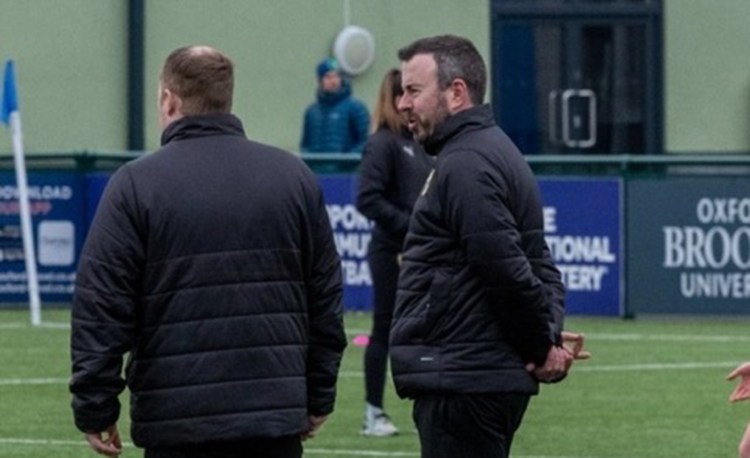
Being able to coach effectively as a pair can make your life much easier as a coach.
Certainly, if you can’t work effectively it makes life much harder.
Let’s look at different ways coaches can work together to get the most out of their sessions and help their players improve.
Coaching roles and styles
If one coach always leads and the other always assists, and you don’t alternate roles, this simplifies things.
If you work together from an even standpoint, then getting your roles right is important.
In my experience, it works best when one coach leads the whole session. If a practice is flowing and you are getting outcomes you want, you won’t feel the need to stop it so the other coach can lead their practice.
If you have two sessions per week, you can alternate who leads the session - or, if you have one session a week, you can lead them on alternate weeks.
You can have twice the effect if you use two different coaching styles. If one coach takes a leadership role, it gives the other a chance to be more of the social coach.
This means that, while one coach makes sure the practice is running well, the other coach can have conversations with individuals, whether those are soccer related or just getting to know them a little better.
big picture, little picture
If one coach is leading the session, it works well if they are making the general coaching points, whether technically or tactically.
Generally, do this through ‘stop, stand still’ moments or in natural stoppages, like after drinks breaks or between practices.
That allows the other coach to work more with individuals or small groups, doing ‘drive-by’ coaching and having chats with individuals while the practice is going on.
large groups
If you are coaching a large group, another way to coach effectively is to split it and run the same practice side-by-side.
This is a great way of getting the outcomes you want while keeping the amount of touches high.
But it does need both coaches to be on the same page in terms of the coaching points you want to get from the session, while using the same terminology.
If you split the group, but use differing coaching points, it can be contradictory which does not help your players.
You can also split the group, do two different practices, and then rotate the groups so they take part in both practices.
Keeping continuity with your coaching points and language is still important.
teamwork makes the dream work
Good communication between a coaching pair makes everything easier.
I have worked with coaches who don’t communicate, leave everything to the last minute or don’t return messages. That doesn’t help you coach well together!
You don’t need to be best friends, but being open and honest with each other certainly helps.
Coaching philosophies
You don’t need to have completely matching coaching philosophies to work well together.
Slight differences of opinion can be a good thing, as long as you have a relationship where you can challenge each other.
The issue comes when you have completely opposing views - then you have to make compromises.
LEAVE EGOs AT THE DOOR
One of the biggest issues when coaching as a pair is when one coach feels like they need to be the centre of attention all of the time.
If you are assisting in a session, then do that - assist the coach who is leading, rather than trying to overshadow them.
There can be a lot of backstabbing, with coaches competing to move up the ladder.
However, if you don’t have your coaching partner’s best interests at heart, it tends to make you both look bad. More importantly, it can be detrimental to your players.
Related Files

Rob Porter

Latest Content
Subscribe Today

Newsletter Sign Up
Subscribe Today


Newsletter Sign Up
Subscribe Today
Latest Issue
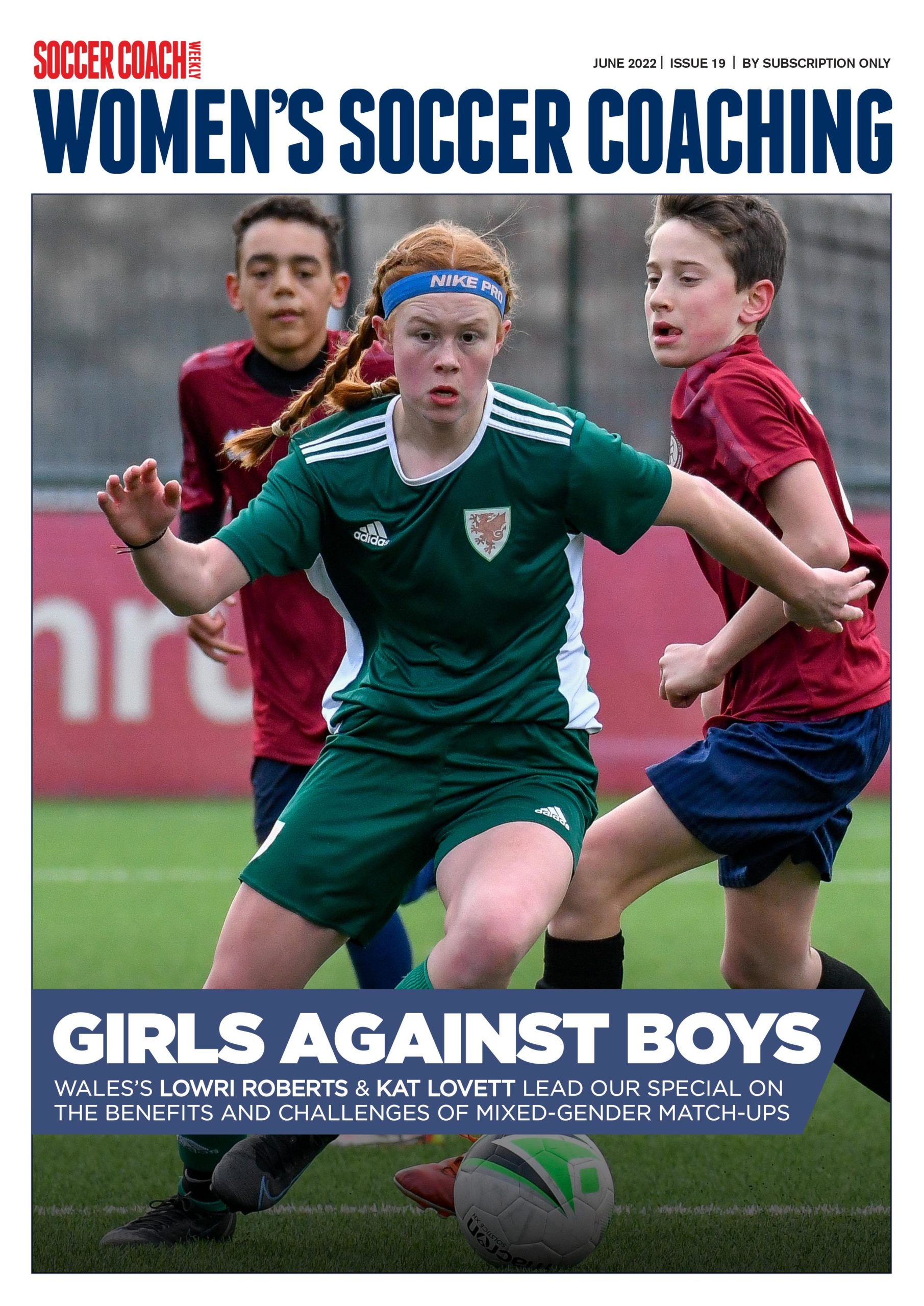
Discover the simple way to become a more effective, more successful soccer coach
In a recent survey 89% of subscribers said Women's Soccer Coaching makes them more confident, 91% said Women's Soccer Coaching makes them a more effective coach and 93% said Women's Soccer Coaching makes them more inspired.
*includes 3 coaching manuals
Get Inspired
All the latest techniques and approaches


Women's Soccer Coaching offers proven and easy to use soccer drills, coaching sessions, practice plans, small-sided games, warm-ups, training tips and advice.
We've been at the cutting edge of soccer coaching since we launched Soccer Coach Weekly in 2007, creating resources for the grassroots youth coach, following best practice from around the world and insights from the professional game.
