
 close
close


 LOGIN
LOGINYou are viewing
1 of your 3 free articles
How to coach defending a long ball
Rob McKay shares his four key pointers for players aiming to deal with a long ball


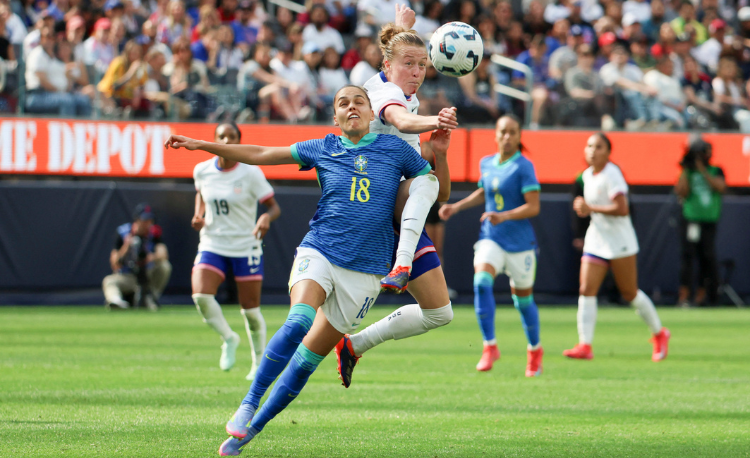
One of the best things about modern coaching is there is so much content online for us to learn even when we don’t have access to other coaches ourselves.
Pep Guardiola is the self-described ’thief of ideas’ and so much of what we know is from what we’re exposed to from other coaches. My motivation for writing this piece came from someone sharing a terrific graphic by the coach Michael Loftman.
10 Coaching Points for Defending the Long Ball
— Michael Loftman (@michael_loftman) March 23, 2022
Some extra points to build on the previous video, with short explanations for each.
Info also in the thread below: pic.twitter.com/FqclGgzIjE
The graphic got me thinking about my own considerations for my coaching points on how to defend the long ball and how I would design a session around this. While all of Michael Loftman’s coaching points are valid, I’ve considered just a selection of them that I feel I would need to prioritise so as not to overwhelm my players with too much information or make my session plan too complicated.
Height of the defensive line
This doesn’t relate to having four giants in your back line but how high they are deployed when your team is out of possession. One of the key aims for any defending team is to deny the opposition space but crucially to deny them space between the lines.
Your back line’s positioning will be determined by your aims as a team to win the ball back. Are you looking to aggressively counter-press and have your front line aim to win the ball as high up the field as possible thus stopping the long at source? Then your back line’s starting position may be on the halfway line. Are you looking to sit in to hit your opponent on the counter-attack? If so then it’s likely that your defensive line is going to sit much deeper.
For your practice, this will determine where the space in your set-up is. Is it in front of your defensive unit or behind it? Also, it will determine what kind of delivery the opposition will provide; are they under pressure and looking to clear into the space or do they have time to hit the pass they want to?
Adjust to the flight
The next thing to consider is where the opposition are looking to aim their long ball. Are they looking to drop it behind the defensive line for forwards to get in behind? In this instance one defender needs to be able to challenge for the ball while another is positioned to track forward runs in behind.
Are they looking to play into a target striker and bring other players into play with the knockdown or by winning the second ball? In that case, we may need to consider our run up to attack the ball in the air based on where we want the ball to land should we win the header.
Our defensive line needs to be able to adjust as a unit to the area in which the ball is going to land; either by dropping off to meet the ball or stepping out to attack it. They need to do this while remaining as compact as possible as a unit.
Body shape
It’s also important to consider the technical aspects of how we are looking to defend the long ball. If we’re defending with a high line, can we defend side on in the defensive line? This allows our defenders to attack the ball if it’s in front of them while also allowing them to balance on their toes and keep pace with the opposition forward line if it’s played in behind them. It’s important our players avoid getting square on (with their backs to goal) standing on their heels, as this will impede them against forward facing attackers if they’re forced towards their own goal.
Triggers to drop
If the opposition are looking to play in behind our defensive line, it’s vital to recognise the trigger for the ball going long and to anticipate this as a unit. If one defender drops too soon, they risk playing the whole attacking line onside; or if they drop too late, they’re in jeopardy of leaving an attacking player unmarked.
When looking for those triggers, we can consider the body shape of the ball carrier? Can we see if they’re looking to aim towards a central area or the wing? When do they lift back their leg to launch the ball forward? Is the ball being delivered from an individual player or from a specific area of the field? These are all different considerations you could include when designing your session plan.

Rob McKay
Latest Content
Subscribe Today

Newsletter Sign Up
Subscribe Today
Newsletter Sign Up
Subscribe Today
Latest Issue

Discover the simple way to become a more effective, more successful soccer coach
In a recent survey 89% of subscribers said Women's Soccer Coaching makes them more confident, 91% said Women's Soccer Coaching makes them a more effective coach and 93% said Women's Soccer Coaching makes them more inspired.
*includes 3 coaching manuals
Get Inspired
All the latest techniques and approaches


Women's Soccer Coaching offers proven and easy to use soccer drills, coaching sessions, practice plans, small-sided games, warm-ups, training tips and advice.
We've been at the cutting edge of soccer coaching since we launched Soccer Coach Weekly in 2007, creating resources for the grassroots youth coach, following best practice from around the world and insights from the professional game.
