
 close
close


 LOGIN
LOGINYou are viewing
1 of your 3 free articles
Keeping the door open for late developers in women's soccer
How do we stop late developers from slipping through the net and scoring in it instead? Racing Louisville FC academy director Lizzie Hornack has some ideas


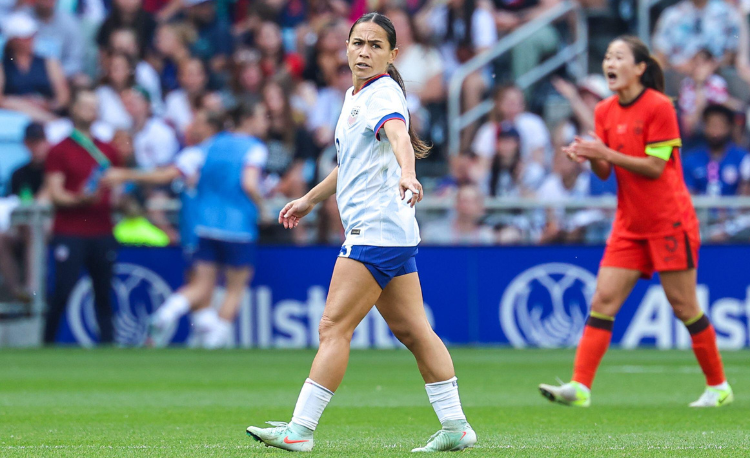
In youth soccer, the spotlight often shines on early bloomers - players who hit their growth spurt first, dominate physically, and rack up all the goals. But in the women’s game, where long-term potential often outweighs early dominance, late developers can become some of the sport’s most impactful players at senior level.
The challenge for coaches, clubs, and scouts? Making sure the door stays open long enough for those players to walk through it.
Development is not the same for everyone
In girls’ soccer, physical and technical maturation can vary widely. Some players develop early, fuelled by strength, speed, and coordination. Others only hit their stride in their mid-to-late teens, when physical maturity, confidence, and refined technical skills align.
Factors like the Relative Age Effect (birth month within the year), differing growth rates, and social-emotional readiness all play a role. In fact, very few players at the elite level are born in Q3 or Q4 - a sign that late bloomers are often filtered out early.
The selection trap
When selection is based heavily on short-term metrics - size, speed, and early dominance - late developers are often overlooked. This is especially costly in the women’s game, where tactical awareness, decision-making, and technical precision can matter more than raw athleticism at the senior level.
Often, there is a gap between what we say and what we do.
What we say: “Development over winning.” What we do: Select players who can win right now. The result? Physically dominant early maturers get picked. Late developers - some with higher long-term ceilings - get left out or cut.
Why it happens
- Immediate results bias – Pressure from parents, directors, and scorelines pushes coaches toward players who can deliver today.
- Selection progress – In short tryouts, physical traits are easier to spot than soccer IQ or decision-making.
- Fear of the unknown – Predicting three to five years ahead is difficult, so clubs trust what they can see now.
- Structural incentives – League formats and tournament culture reward quick wins over patient development.
The cost?
Ultimately, we end up with smaller, technically gifted players losing confidence or quitting and late bloomers missing top-level coaching and competition. At the top level, the national team loses potential diversity, creativity, and leadership.
How to keep the door open
Rethink selection criteria
Look beyond physical dominance. Prioritise:
- First touch and technical quality
- Decision-making under pressure
- Adaptability and game intelligence
Youth ID programs should clearly define what early and late bloomers look like - so no player is missed. The US Talant ID pool are now requiring Q3 and Q4 birth year players to be included in club recommendations.
Rotate and reassess regularly
Player ability is never fixed. Build in multiple checkpoints, including:
- Mid-season evaluations
- Open tryout windows
- Annual Talent ID camps
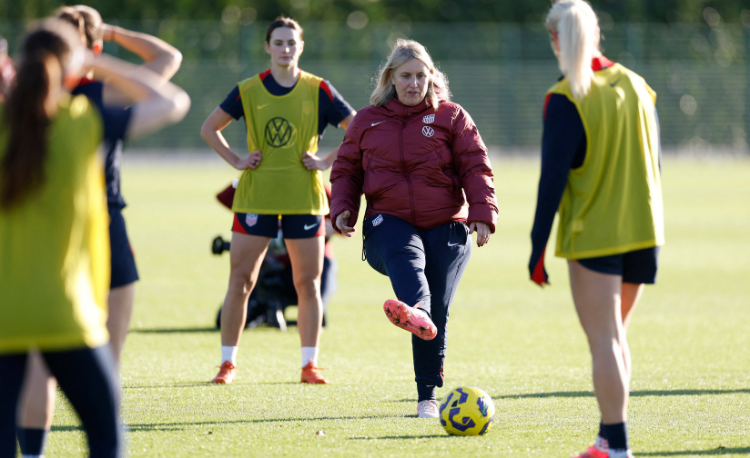
Emma Hayes models this at the US national level, rotating players across age groups and using the U-23 program as abridge for both emerging talent.
Offer multiple competitive pathways
Not every player needs the same route. Connect local leagues, regional platforms, and elite competition so players can move up when they’re truly ready.
Early risers - such as USWNT player Alyssa Thompson, who made her international debut age 17 in 2022 - bring youthful creativity and energy.
Late bloomers - such as USWNT player Lo-eau LaBonta - bring resilience, tactical maturity, and leadership. At 32 years and 74 days, La Bonta became the oldest player to debut for the USWNT, making her first start on May 31, 2025 in a friendly fixture against China PR. Coach Emma Hayes praised her consistency and leadership, highlighting that she “didn’t give up on herself".
Together, a mix of early risers and late bloomers strengthen team culture and the team’s potential for success.
Educate parents and players
Families are key to keeping late developers engaged. Help them understand that:
- Development timelines vary greatly in the women’s game
- Persistence matters more than panic
- Success stories of late bloomers are real and repeatable.
Also consider providing consistent feedback that goes beyond goals and speed metrics.
The long game pays off
The women’s game is full of examples of players once labelled “too small,” “too slow,” or “not ready” at 14 – only to become stars by 22. Tobin Heath, who recently announced her retirement, is one example. Overlooked early for her lack of physical dominance, she broke into the USWNT around age 20 and went on to become one of the most creative wingers in the world. Let Tobin, and players like her, serve as a reminder.

Lizzie Hornack

Latest Content
Subscribe Today

Newsletter Sign Up
Subscribe Today

Newsletter Sign Up
Subscribe Today
Latest Issue

Discover the simple way to become a more effective, more successful soccer coach
In a recent survey 89% of subscribers said Women's Soccer Coaching makes them more confident, 91% said Women's Soccer Coaching makes them a more effective coach and 93% said Women's Soccer Coaching makes them more inspired.
*includes 3 coaching manuals
Get Inspired
All the latest techniques and approaches


Women's Soccer Coaching offers proven and easy to use soccer drills, coaching sessions, practice plans, small-sided games, warm-ups, training tips and advice.
We've been at the cutting edge of soccer coaching since we launched Soccer Coach Weekly in 2007, creating resources for the grassroots youth coach, following best practice from around the world and insights from the professional game.
