
 close


 LOGIN
Should you offer players mental health breaks during the season?
How often do we consider whether our players are mentally ready to train or play? And how can we best offer players support?
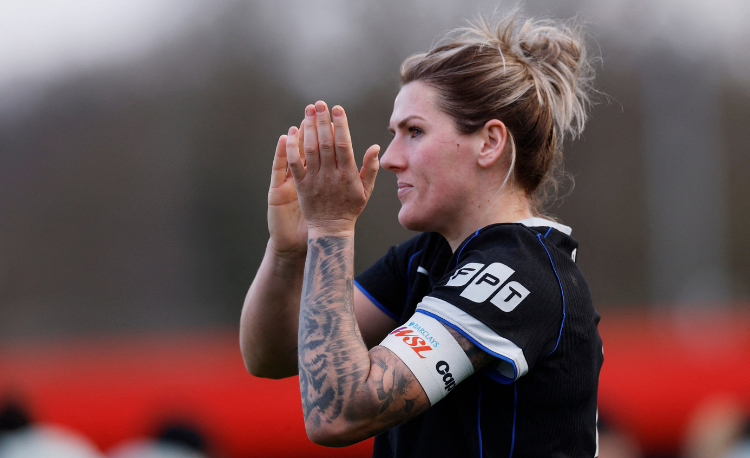
As coaches, we spend hours planning sessions, developing technical ability and improving physical performance. But how often do we consider whether our players are mentally ready to train or play?
In the women’s game, where players may be balancing football with education, work, relationships and other pressures, recognising when someone needs a mental health break is an important part of creating a positive performance environment.
The challenge is knowing how to offer support without lowering expectations or making players feel singled out.
1. Create an environment where honesty is welcomed
Players should feel comfortable telling you when they’re struggling without fearing judgement or losing their place in the team. This starts with everyday interactions, not just conversations when something goes wrong.
Coaching tip
Check in with players individually, ask how they’re doing and listen without immediately trying to fix everything. Normalise conversations about mental wellbeing just as you would discuss physical fatigue or injury.
2. Recognise that not every struggle is visible
A player can arrive smiling, participate fully and still be dealing with significant pressure away from football. Equally, a lack of concentration, frustration or withdrawal may indicate that something is affecting them, although these behaviours don’t automatically mean a player is struggling with their mental health.
Coaching tip
Notice changes in behaviour, energy and engagement. Approach players privately and ask open questions, such as, “I’ve noticed you seem a little quieter than usual. How are you feeling?”
3. Make breaks an option, not a punishment
A mental health break might mean stepping out of a drill, observing from the side, taking a few minutes away from the group or missing a session when appropriate. It doesn’t always need to mean time away from football altogether.
Coaching tip
Agree on a simple, discreet way for players to ask for a pause. Avoid demanding personal explanations in front of team-mates. Where possible, work together to decide what support would help.
4. Balance flexibility with consistency
Supporting mental wellbeing doesn’t mean removing all challenge or avoiding difficult conversations. Sport can provide routine, connection and a sense of achievement, which some players may find beneficial. The key is understanding the individual rather than assuming everyone needs the same response.
Coaching tip
Be flexible, communicate expectations clearly and review how the player is feeling. Avoid making assumptions about commitment based on one difficult day.
5. Know the limits of your role
Coaches can provide understanding, reassurance and a supportive environment, but they aren’t expected to act as mental health professionals.
Coaching tip
Know your club’s safeguarding and welfare procedures, signpost appropriate professional support when needed, and seek urgent help if a player may be at risk of harm.
Offering mental health breaks isn’t about being a softer coach, it’s about being a more thoughtful and approachable one, while creating a supportive environment. When players know their wellbeing matters as much as their performance, they are more likely to feel valued, communicate honestly and build a healthier, more sustainable relationship with football.
You need to be logged in to continue reading.
Please register for limited access or take a 30-day risk-free trial of Women's Soccer Coaching to experience the full benefits of a subscription.

Women's Soccer Coaching

Latest Content
Subscribe Today

Newsletter Sign Up
Subscribe Today



Newsletter Sign Up
Subscribe Today
Latest Issue

Discover the simple way to become a more effective, more successful soccer coach
In a recent survey 89% of subscribers said Women's Soccer Coaching makes them more confident, 91% said Women's Soccer Coaching makes them a more effective coach and 93% said Women's Soccer Coaching makes them more inspired.
*includes 3 coaching manuals
Get Inspired
All the latest techniques and approaches


Women's Soccer Coaching offers proven and easy to use soccer drills, coaching sessions, practice plans, small-sided games, warm-ups, training tips and advice.
We've been at the cutting edge of soccer coaching since we launched Soccer Coach Weekly in 2007, creating resources for the grassroots youth coach, following best practice from around the world and insights from the professional game.
