
 close


 LOGIN
You are viewing
2 of your 3 free articles
Why girls need fun before competition in sport (and how to coach it)
Sport Sister’s Natalie Doyle reflects on why fun has to come first for girls to enjoy the game, and what it looks like


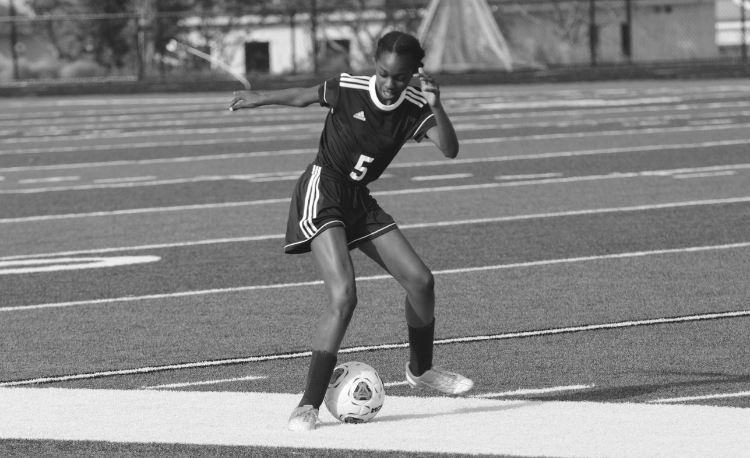
Walk past a youth sports session and you might hear adults talking about results, performance and league tables. But when you ask many girls why they stop playing sport, the answer is rarely about losing. More often, it is because it stopped being fun.
For girls especially, enjoyment is not a nice extra. It is the foundation that keeps them coming back, building confidence and eventually choosing whether they want to compete. When sessions prioritise pressure too early, we risk losing girls before they ever get the chance to discover what they are capable of.
Why fun matters so much for girls
Fun is often dismissed as something for beginners, but it plays a crucial role at every stage of a girl’s sporting journey.
When sport feels fun, girls are more likely to:
- Feel relaxed and welcome in a new environment
- Try new skills without fear of getting it wrong
- Build friendships and a sense of belonging
- Develop confidence and motivation over time
Many girls already face social pressures around body image, comparison and perfectionism. If sport immediately adds competition and judgement into the mix, it can quickly feel like another place where they do not measure up.
Fun creates psychological safety. It tells girls that they are allowed to enjoy movement, to laugh, to experiment and to learn at their own pace.
The risk of competition coming too soon
Competition itself is not the problem. Many girls love competing once they feel ready. The issue is when competition becomes the main focus before enjoyment and confidence are established.
Early over emphasis on winning can lead to:
- Fear of making mistakes
- Anxiety about letting the team down
- Comparing themselves negatively to others
- Dropping out when progress feels slow
Girls often internalise these experiences quietly. They may still turn up for a while, but their enjoyment fades. Eventually, many simply stop.
By putting fun first, you create a pathway where competition becomes a choice, not a threat.
What fun looks like in practice
Fun does not mean chaos or a lack of structure. It means designing sessions that feel positive, engaging and supportive.
Fun often includes:
- Games rather than drills
- Variety and creativity
- Opportunities for choice and autonomy
- Encouragement rather than constant correction
Importantly, fun looks different for different girls. Some enjoy high energy games, others prefer skill challenges or social activities. Building fun into sessions means leaving room for flexibility.
How to build fun into your sessions
You do not need to overhaul everything to make sessions more enjoyable. Small changes can have a big impact.
Start with a playful warm up
Use games that get everyone moving and laughing rather than silent laps or rigid drills. Tag games, team challenges or imaginative scenarios can set a positive tone from the start.
Focus on effort and learning
Praise trying, improving and supporting others rather than just being the best. This helps girls feel valued regardless of ability.
Offer choice where possible
Let girls choose between two activities, decide team names or suggest variations to a game. Feeling heard increases engagement and enjoyment.
Normalise mistakes
Make it clear that mistakes are part of learning. Coaches modelling this through their language and reactions is powerful.
Build social moments into sessions
Time to chat, celebrate small wins or work collaboratively helps strengthen friendships, which is a key reason many girls stay involved.
Introducing competition in a healthy way
Once fun and confidence are established, competition can be introduced gradually and thoughtfully.
This might include:
- Small-sided games instead of full matches
- Team challenges where success is shared
- Personal goals rather than only score based outcomes
When girls feel secure, competition can become exciting rather than intimidating. They are more likely to push themselves and enjoy the challenge.
Fun first leads to long term participation
If we want more girls to stay in sport, progress and thrive, we need to rethink what success looks like in early sessions. Fun is not the opposite of development. It is the engine behind it.
By creating environments where girls enjoy being active, feel safe to be themselves and build confidence at their own pace, we give them the best chance of staying in sport for life. Competition can come later. Joy needs to come first.

Natalie Doyle
Latest Content
Subscribe Today

Newsletter Sign Up
Subscribe Today
Newsletter Sign Up
Subscribe Today
Latest Issue
Discover the simple way to become a more effective, more successful soccer coach
In a recent survey 89% of subscribers said Women's Soccer Coaching makes them more confident, 91% said Women's Soccer Coaching makes them a more effective coach and 93% said Women's Soccer Coaching makes them more inspired.
*includes 3 coaching manuals
Get Inspired
All the latest techniques and approaches


Women's Soccer Coaching offers proven and easy to use soccer drills, coaching sessions, practice plans, small-sided games, warm-ups, training tips and advice.
We've been at the cutting edge of soccer coaching since we launched Soccer Coach Weekly in 2007, creating resources for the grassroots youth coach, following best practice from around the world and insights from the professional game.
