
 close


 LOGIN
How to help a player who is missing the biggest game of their career
Whatever the reason, the emotional impact of missing a key came can be significant. Here’s how you can support your players through it
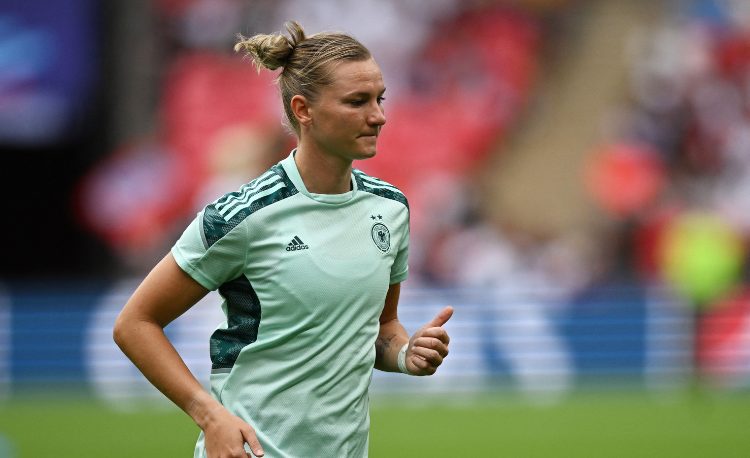
There are few things more painful for a footballer than watching the biggest game of their career from the sidelines.
Whether through injury, suspension, a pre-arranged family holiday or the coach’s selection decision, whatever the reason, the emotional impact can be enormous. This is particularly true in women’s football, where players may have spent years working towards an opportunity that might not come around again, and when seasons typically are so much shorter than in the men’s game.
While your instinct as a coach may be to make the player feel better – “everything happens for a reason” is my personal pet peeve - sometimes, those words do more harm than good.
The first step is recognising the player may simply be devastated. They don’t necessarily need a lesson, a motivational speech or a reminder that life goes on. They need someone to acknowledge that, for them, this matters enormously.
Injuries
An injured player can experience a particularly complicated form of grief. They haven’t chosen to miss the game. They may have done everything asked of them, only for their body to prevent them from taking part. Worse still, they may be watching teammates prepare for the moment they had imagined themselves experiencing.
Don’t minimise that. Avoid telling them to “look at the bigger picture” too early. The bigger picture can wait. Instead, you could give them a role.
If medically appropriate, involve them in the matchday environment. Ask whether they want to be around the squad. Give them something meaningful to contribute - supporting individual players, helping with preparation, observing opposition details or simply being part of the group.
Just don’t assume they want to be involved in that way. Some injured players will desperately want to be in the changing room. Others will find being around the team unbearable. Both responses are valid.
It’s about finding what would make the weekend easier for that individual to either get through or even enjoy.
Suspension
Suspension can be harder because the player may believe — fairly or otherwise — that they have contributed to their own absence. This has been my own personal experience recently. It was the first time I’ve ever had to deal with this and it coincided with a huge opportunity, which meant I missed out. I was devastated.
A player who receives a red card in the build-up to a huge fixture can experience guilt, anger, injustice and embarrassment simultaneously. All of these were true for me. This is where coaches need to separate accountability from condemnation.
If the player made a mistake, don’t pretend they didn’t. But one incident should not become a judgement on the player as a person.
Equally, if the player believes the disciplinary decision was unfair, don’t dismiss their feelings simply because the decision has been made.
You can acknowledge both things: “I understand why you’re upset. You wanted to play, and I know how much this means to you. Whatever we think about the decision, we now need to help you through what comes next.”
Help them regain a sense of purpose.
Can they help prepare the team? Can they contribute tactically? Can they support a younger player making their first appearance in a big environment? Can they help with opposition analysis?
And if they’re a captain or senior player, make it clear that their leadership doesn’t disappear because they’re unavailable to play.
Non-selection
This can be the most difficult conversation of all. Unlike injury or suspension, non-selection involves a decision made by someone the player trusts to judge their footballing ability. And sometimes the player will feel rejected.
Coaches shouldn’t expect a player to respond with immediate maturity and enthusiasm. They may be disappointed. They may be angry. They may need some time.
The conversation should be honest, specific and respectful. Don’t hide behind vague phrases such as: “It’s just tactical”, or “It’s nothing personal.”
Explain the footballing reasoning where appropriate. What did you select for? What qualities did you prioritise? What does the player need to improve or demonstrate?
Longer-term, how are you and the coaching staff going to work with that player to help them get back into the squad.
Unlike with players missing through injury or maybe suspension, don’t give them a token role simply to make yourself feel better. And don’t expect them to perform enthusiasm for the benefit of the rest of the squad.
The matchday trap
One of the biggest mistakes coaches make is assuming that every unavailable player should automatically be around the team.
Imagine telling an injured, suspended or non-selected player: “We really need you to be positive and support the girls.”
That might be exactly what they want to hear - or it might feel like you’re asking them to put on a performance while watching their dream happen without them.
Ask them what they want. Some players will want to travel, sit on the bench and be involved in every moment. But understandably, others may need distance. Treat your players as individuals. Your objective is to help them through a difficult moment however that looks for them.
And when the game is over, don’t assume the emotional impact disappears. Sometimes the hardest moment comes afterwards.
Teammates are talking about the game in the group chat, posting photos on Instagram and reliving moments at training. Meanwhile, the player is left thinking about the memory they missed.
Check in again a few days later.
Ultimately, coaches need to resist the urge to fix something that cannot be fixed. You cannot give an injured player their fitness back overnight. You cannot overturn a suspension simply because you know how much the game means to them. And you cannot select a player retrospectively.
What you can do is make sure they don’t feel forgotten. Tell them the truth. Listen without immediately trying to solve it. Give them choices. Keep them connected if they want to be connected. Give them space if they need space.
And remind them - when they’re ready to hear it - that missing the biggest game of their career so far doesn’t define their ability, importance to the team, or future moments to come.
You need to be logged in to continue reading.
Please register for limited access or take a 30-day risk-free trial of Women's Soccer Coaching to experience the full benefits of a subscription.

Hannah Duncan

Latest Content
Subscribe Today

Newsletter Sign Up
Subscribe Today

Newsletter Sign Up
Subscribe Today
Latest Issue

Discover the simple way to become a more effective, more successful soccer coach
In a recent survey 89% of subscribers said Women's Soccer Coaching makes them more confident, 91% said Women's Soccer Coaching makes them a more effective coach and 93% said Women's Soccer Coaching makes them more inspired.
*includes 3 coaching manuals
Get Inspired
All the latest techniques and approaches


Women's Soccer Coaching offers proven and easy to use soccer drills, coaching sessions, practice plans, small-sided games, warm-ups, training tips and advice.
We've been at the cutting edge of soccer coaching since we launched Soccer Coach Weekly in 2007, creating resources for the grassroots youth coach, following best practice from around the world and insights from the professional game.
