
 close
close


 LOGIN
LOGINYou are viewing
1 of your 3 free articles
Raising standards when they slip
Top tips for spotting the signs when standards are beginning to drop, and doing something about it early on


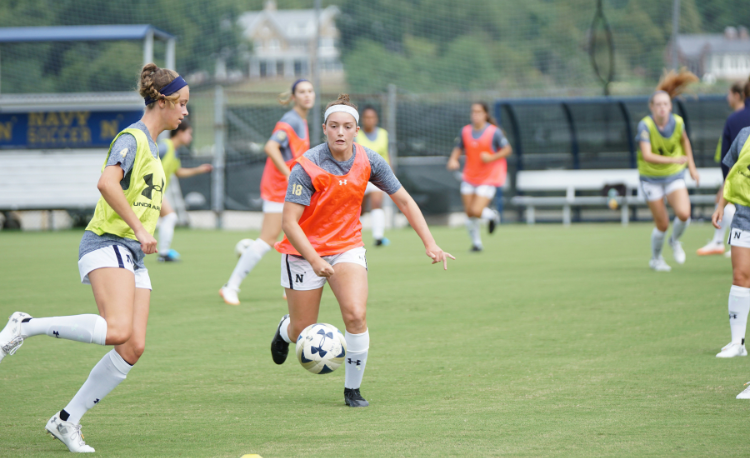
Standards rarely drop overnight. More often, they erode quietly over time - an extra touch here, a late arrival there, a session that feels a little less sharp than usual. For coaches, the challenge isn’t just raising standards once they’ve fallen, but recognising the early signs and responding with clarity and intent before habits settle in.
Spot the energy shift
The first indicator is usually energy. When standards slip, intensity drops. Movement becomes reactive rather than proactive; it goes quiet and players start phoning it in. Technically, this often shows up as poor detail - loose passes, slow transitions and decision-making that lacks real thought or purpose. Behaviourally, you might notice body language change - hands on hips, limited eye contact, or players waiting for instruction rather than taking responsibility.
Catching this early is huge for your environment. The longer it lingers, the harder it is to pull it back without a significant overhaul. Ignoring small drops sends an unspoken message that the standard has shifted. Addressing it doesn’t require confrontation or raised voices, but it does require honesty. A calm reset - pausing the session to name what you’re seeing and restate expectations - can prevent a minor dip becoming the new norm.
Provide clarity on what good looks like
When standards do need lifting, clarity comes first. Players need to know exactly what “good” looks like. Vague challenges to “be better” or “pick it up” rarely help. Instead, reference specific behaviours: speed of play, quality of first touch, communication, reactions to mistakes. The more observable the standard, the easier it is for players to meet it.
Be consistent when enforcing standards
Consistency is critical. Standards lose meaning when they are enforced selectively. Coaches must be willing to challenge the same behaviours regardless of who the player is or what day it is. This doesn’t mean being inflexible, but it does mean being fair and predictable. Your captain deserves to be called out if they are demonstrating poor standards just as much – if not more so – than a 17-year-old squad player.
Design sessions that require standards
Raising standards is also about environment, not just correction. Design sessions that demand the behaviours you want to see. Smaller spaces, tighter constraints, competitive elements and time pressure all encourage intensity and focus. Rather than repeatedly telling players to move the ball quicker, create conditions where they have to.
Lean on leaders
Player ownership can be a powerful lever. Inviting leaders to reinforce expectations, or asking the group to define what good looks like, shifts responsibility away from the coach alone. When players challenge each other constructively, standards are more likely to hold under pressure.
Effort as well as outcome
It’s also important to recognise effort as well as outcome. Players are more likely to maintain high standards when they know that commitment, concentration and response to mistakes are valued - not just successful execution. Acknowledging these behaviours reinforces the culture you’re trying to protect.
Understand the bigger picture
Finally, reflect on context. Slips in standards can sometimes signal fatigue, overload or external pressures rather than a lack of care. Raising standards doesn’t always mean demanding more, it can often just mean adjusting the session, revisiting goals, or refocusing attention. The best coaches distinguish between a need for challenge and a need for support.
Strong standards don’t come from constant correction, it’s a culture that’s developed over time by everyone involved. From coaches setting early expectations and modelling them, to providing the right environment and conditions for success (in terms of standards), it’s a process.

Women's Soccer Coaching

Latest Content
Subscribe Today

Newsletter Sign Up
Subscribe Today
Newsletter Sign Up
Subscribe Today
Latest Issue

Discover the simple way to become a more effective, more successful soccer coach
In a recent survey 89% of subscribers said Women's Soccer Coaching makes them more confident, 91% said Women's Soccer Coaching makes them a more effective coach and 93% said Women's Soccer Coaching makes them more inspired.
*includes 3 coaching manuals
Get Inspired
All the latest techniques and approaches


Women's Soccer Coaching offers proven and easy to use soccer drills, coaching sessions, practice plans, small-sided games, warm-ups, training tips and advice.
We've been at the cutting edge of soccer coaching since we launched Soccer Coach Weekly in 2007, creating resources for the grassroots youth coach, following best practice from around the world and insights from the professional game.
