
 close
close


 LOGIN
LOGINYou are viewing
1 of your 3 free articles
How to talk to children about winning, losing and effort in sport
Sport Sister’s Natalie Doyle on the power our words have on young players, and what we can actually say to make a difference


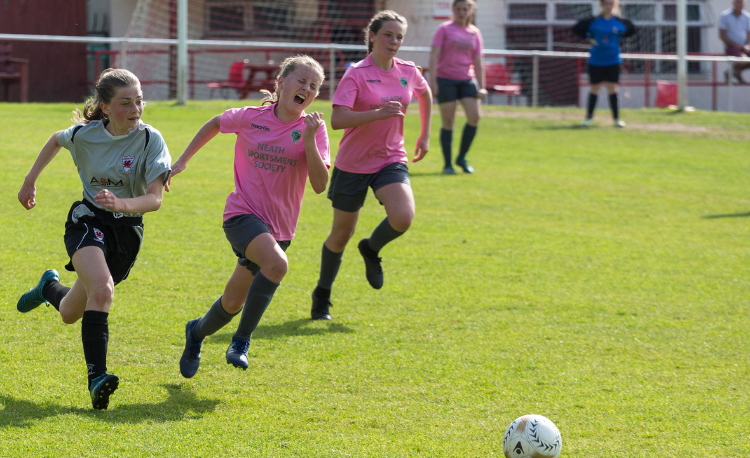
Sport gives children some of their earliest lessons about success, disappointment, confidence, and resilience.
A last-minute goal, a heavy defeat, a missed penalty, a personal best. These moments stick with them far longer than we often realise.
What children take away from sport is shaped not just by what happens on the pitch, but by what they hear from the adults around them. The way we talk about winning, losing, and effort can either build a healthy relationship with sport or quietly undermine it.
Here’s how to have those conversations in a way that supports confidence, enjoyment, and long-term participation.
Why our words matter more than the result
Children are constantly looking for cues about what “matters”. When adults focus only on results, children quickly learn that winning equals success and losing equals failure.
That can lead to:
- Fear of making mistakes
- Anxiety around competition
- Dropping out when things get tough
When we shift the focus towards effort, learning, and enjoyment, children are more likely to:
- Try new things
- Keep going after setbacks
- Stay involved in sport for longer
The goal is not to pretend winning does not matter, but to put it in the right context.
Talking about winning without pressure
Winning feels good. It should be celebrated. The key is how it is framed.
Helpful things to say:
- “You looked like you really enjoyed that.”
- “Your teamwork made a big difference today.”
- “What are you proud of from that game?”
These comments reinforce that success comes from behaviours, not just outcomes.
Try to avoid:
- “You’re the best player on the team.”
- “We had to win that.”
- “I knew you’d score loads.”
Even well-meant praise can create pressure if children feel they now have to live up to it every week.
Talking about losing without disappointment turning into shame
Losses are inevitable. How adults respond in these moments can shape how children deal with setbacks for years.
After a loss, children may feel upset, embarrassed, or frustrated. Start by acknowledging that feeling.
Helpful things to say:
- “It’s OK to feel disappointed.”
- “That was tough, wasn’t it?”
- “I’m glad you stuck with it until the end.”
Once emotions have settled, you can gently reflect:
- “What do you think went well?”
- “What did you learn today?”
- “Is there something you’d like to try differently next time?”
Try to avoid:
- Blaming referees, teammates, or opponents
- Analysing mistakes straight away
- Telling them they should not be upset
Children need space to feel before they can learn.
Shifting the focus to effort and progress
Effort is one of the few things children can always control, regardless of ability or experience.
When adults consistently notice effort, children learn that trying hard is valued, even when results are not perfect.
Look for effort in different forms:
- Turning up regularly
- Trying a new position
- Encouraging team-mates
- Keeping going when tired
Helpful things to say:
- “I loved how you kept trying.”
- “You were really brave to have a go at that.”
- “You didn’t give up, and that matters.”
This helps children build a growth mindset and reduces fear of failure.
Let children lead the conversation
This one is for the parent coaches. Not every child wants a post-match debrief on the car journey home. Some need time. Others want to talk straight away.
A simple starting question can help:
- “Do you want to talk about the game now, or later?”
Sometimes the best support is just listening. Silence, reassurance, and presence often say more than advice.
Modelling healthy behaviour as adults
Children notice how adults react to wins and losses, even when we think they are not watching.
Ask yourself:
- How do I talk about referees and opponents?
- How do I react when one of my players makes a mistake?
- Do my words match the values I want them to learn?
Calm, respectful behaviour from adults sets a powerful example.
The bigger picture
Very few children will go on to play sport professionally. But all children will carry the lessons sport teaches them into school, work, relationships, and life.
When we talk about winning, losing, and effort with care, we help children learn that:
- Their value is not defined by results
- Mistakes are part of learning
- Trying, improving, and enjoying sport really matter
And that is how sport becomes a positive, lifelong experience rather than something they feel they need to walk away from.

Natalie Doyle

Latest Content
Subscribe Today

Newsletter Sign Up
Subscribe Today
Newsletter Sign Up
Subscribe Today
Latest Issue

Discover the simple way to become a more effective, more successful soccer coach
In a recent survey 89% of subscribers said Women's Soccer Coaching makes them more confident, 91% said Women's Soccer Coaching makes them a more effective coach and 93% said Women's Soccer Coaching makes them more inspired.
*includes 3 coaching manuals
Get Inspired
All the latest techniques and approaches


Women's Soccer Coaching offers proven and easy to use soccer drills, coaching sessions, practice plans, small-sided games, warm-ups, training tips and advice.
We've been at the cutting edge of soccer coaching since we launched Soccer Coach Weekly in 2007, creating resources for the grassroots youth coach, following best practice from around the world and insights from the professional game.
