
 close
close


 LOGIN
LOGINYou are viewing
1 of your 3 free articles
How to ensure equal access to sport for girls from all backgrounds
Sport Sister’s Natalie Doyle on how we can break down barriers to the game


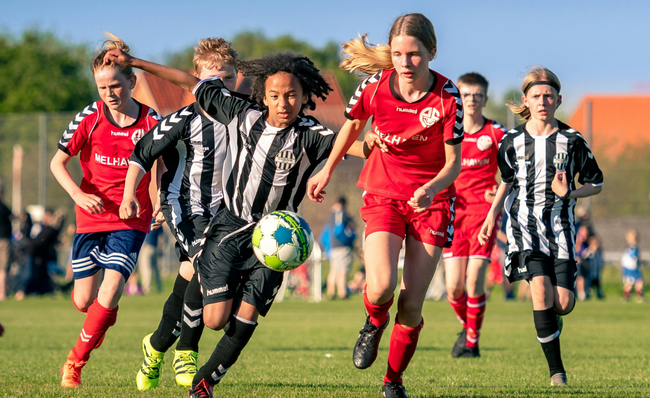
For girls, engaging in sport can be transformative, challenging societal norms and empowering them to believe in their capabilities. However, not all girls enjoy equal access to these opportunities, particularly those from underrepresented communities.
Ensuring that girls from all backgrounds have access to sport is both a social justice issue and a key to unlocking their full potential.
Here’s how we can bridge this gap.
1. Address financial barriers
For many families, the cost of participation in sport is a major obstacle. Equipment, kit, travel expenses, and membership fees can quickly add up. Girls from low-income backgrounds often miss out on sport simply because their families cannot afford these costs.
Solution
- Scholarship programmes or hardship funds: Schools, clubs, and organisations can offer financial aid or subsidies for girls in need. Many local businesses or sports brands can sponsor such initiatives.
- Community gear banks: Setting up programmes where donated or gently used sports equipment is shared within the community helps reduce costs for families.
2. Create safe and inclusive spaces
Safety concerns, both physical and emotional, can deter girls from engaging in sport. For girls in marginalised communities, the threat of harassment, violence, or simply not having a safe space to play is a common challenge.
Solution
- Community sports hubs: Investing in community centres and public parks that prioritise safety ensures that girls have accessible and secure spaces to play and train.
- Training coaches on inclusivity: Coaches need to be trained not only in sport but also in creating inclusive and supportive environments for girls. This includes recognising and addressing issues like bullying, sexism, and racism that may arise on the pitch.
3. Address cultural and societal barriers
In some communities, cultural expectations can limit a girl’s participation in sport. Stereotypes about what is “appropriate” for girls to do, combined with pressure to prioritise other responsibilities, can dissuade them from playing.
Solution
- Role models and mentorship programmes: Seeing women and girls from similar cultural backgrounds excel in sport can help break down these stereotypes. Establishing mentorship programmes where successful female athletes guide younger girls is key.
- Family and community engagement: Working with families and community leaders to change perceptions about girls in sport can make a big difference. Hosting family-friendly sports events or educational workshops on the benefits of physical activity for girls can help shift cultural attitudes.
4. Representation and visibility
When girls don’t see athletes who look like them, it can create a sense of exclusion. Girls from racial and ethnic minorities, as well as girls with disabilities, are often underrepresented in sport.
Solution
- Diverse media representation: Media outlets should actively feature athletes from diverse backgrounds, particularly those who challenge stereotypes about what female athletes look like or where they come from. This could range from highlighting athletes with disabilities to showcasing players from traditionally underrepresented communities.
- Inclusive programmes: Sports programmes should prioritise inclusion by adapting activities for girls with different abilities, backgrounds, and experiences. This means offering modified sports or leagues that specifically focus on underserved groups of girls.
5. School-based initiatives
For many girls, school is the primary venue for physical activity. However, schools in low-income areas often have fewer sports programmes or limited facilities, creating an unequal playing field. We’ve supported a number of school-based projects for the Youth Sport Trust, having a sizeable impact on girls’ sports participation.
Solution
- Equitable funding for school sport: Education policies must ensure that schools serving underprivileged communities receive adequate funding to support robust sports programmes.
- Physical education as a priority: Schools should prioritise physical education for all students, ensuring that girls have equal access to participate. P.E. programmes should be designed to engage girls and encourage lifelong fitness, regardless of their skill level.
6. Tackling gender bias
Despite the progress made in women’s sport, many girls still face subtle and overt biases. Boys are often given priority when it comes to facilities, funding, and attention in school sports programmes. This can lead to girls feeling sidelined and less encouraged to pursue athletics.
Solution
- Gender-equitable policies: Schools and sports organisations should implement policies that ensure equal access to facilities, resources, and opportunities for girls.
- Challenging stereotypes early: Educators, coaches, and parents can work to dismantle gender stereotypes by encouraging all children—regardless of gender—to participate in a wide range of sports from an early age.
7. Promote grassroots effort
In many communities, grassroots programmes play a crucial role in getting girls involved in sport, especially when formal avenues fall short. These locally driven efforts are often more flexible and better attuned to the specific needs of girls in their communities.
Solution
- Partner with local organisations: Collaborating with community-based organisations can provide tailored opportunities for girls. Programmes like Girls on the Run or local football leagues often provide low-cost or free options for girls in areas where access to organised sport is limited.
- Volunteering and coaching opportunities: Encouraging community members, especially women, to volunteer as coaches and mentors can build a supportive network around these programmes, making them sustainable in the long term.
Ensuring that all girls, regardless of background, have access to sport is about more than just athletic participation. It’s about creating pathways to better physical health, emotional well-being, and social mobility. By addressing the barriers they face—whether financial, cultural, or structural—we can empower girls to not only excel in sport but also to build confidence, resilience, and leadership skills that last a lifetime.
The responsibility lies with us all—communities, schools, governments, and organisations. With deliberate effort and investment, we can create a world where every girl has the opportunity to discover the life-changing power of sport.

Natalie Doyle

Latest Content
Subscribe Today

Newsletter Sign Up
Subscribe Today
Newsletter Sign Up
Subscribe Today
Latest Issue

Discover the simple way to become a more effective, more successful soccer coach
In a recent survey 89% of subscribers said Women's Soccer Coaching makes them more confident, 91% said Women's Soccer Coaching makes them a more effective coach and 93% said Women's Soccer Coaching makes them more inspired.
*includes 3 coaching manuals
Get Inspired
All the latest techniques and approaches


Women's Soccer Coaching offers proven and easy to use soccer drills, coaching sessions, practice plans, small-sided games, warm-ups, training tips and advice.
We've been at the cutting edge of soccer coaching since we launched Soccer Coach Weekly in 2007, creating resources for the grassroots youth coach, following best practice from around the world and insights from the professional game.
