
 close
close


 LOGIN
LOGINYou are viewing
1 of your 3 free articles
What my first six months coaching u8 boys taught me
From teenage girls to foundation phase boys, Lois Kerr explains what she’s learned from her new challenge


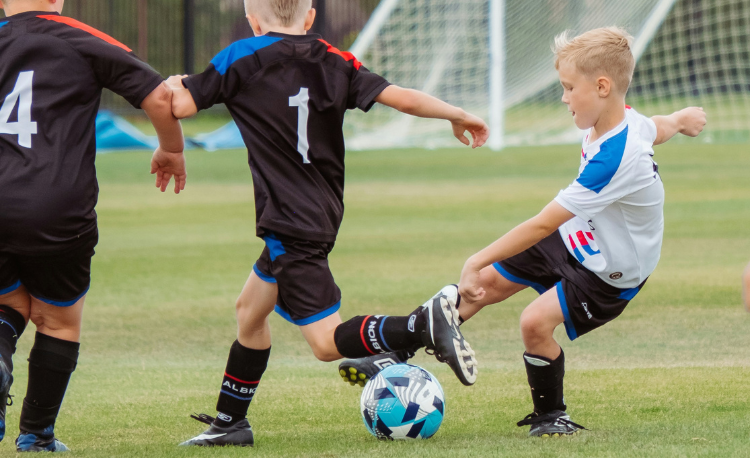
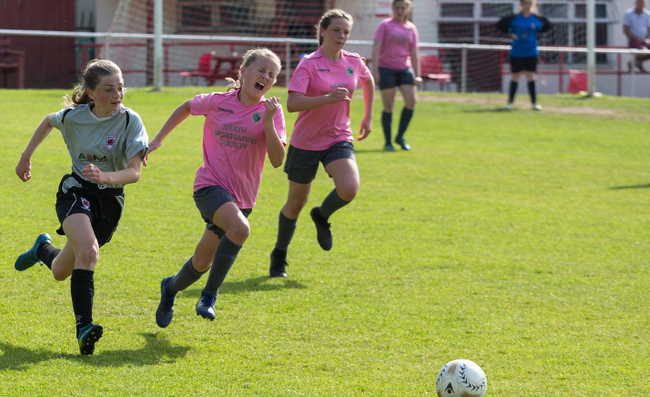
I thought I knew coaching. I’ve coached football for years – mostly teenage girls, some of them highly driven, tactically switched on, emotionally complex and increasingly self-aware.
I was comfortable there. I understood the rhythm of sessions, the conversations, the challenges. So, when I took on a group of seven-year-old boys, I assumed it would be simpler.
I was wrong. Completely.
What I quickly realised was that this wasn’t a step sideways in coaching – it was a step into a different world altogether.
Six months in, I’ve learned more than I expected to, unlearned quite a lot and been reminded why grassroots coaching matters so much. If you’re a coach moving into the early years, or thinking about it, here’s what stood out for me.
What’s different? Almost everything
The biggest difference wasn’t football ability – it was how learning happens.
With teenage girls, I could explain why. In fact, I HAD to explain why. They were constantly curious and demanding answers. With young boys, explanations cost me their attention and engagement.
They don’t want to be told what they did wrong or why we are working on a particular aspect. They want to move. They want to compete. They want the ball.
I had to shift from being a coach who talked well to a coach who designed better.
Sessions that relied on instructions quickly fell flat. Sessions built around games, stories and challenges worked – even when they were messy.
The challenge of behaviour (and my own expectations)
I’ll be honest: the noise and chaos surprised me.
Seven-year-old boys process excitement physically. They roll, shout, race, wrestle and test boundaries – often all at once. Early on, I caught myself trying to “calm things down” too much, mistaking energy for a lack of control.
But I’ve since learned to channel the chaos and enthusiasm. Clear routines helped. Short activities helped more. But the biggest shift was my mindset. I stopped fighting the energy and started planning for it.
If a session gave them chances to sprint, compete, score and celebrate, behaviour largely took care of itself. When it didn’t, it was usually a sign that my activity wasn’t working, not that they weren’t listening.
Attention spans are shorter – but learning still happens
One of my early fears was that they “weren’t taking anything in.” Sessions felt frantic and it didn’t look like learning.
Then, weeks later, I’d see a turn we’d practised appear in a game. Or a decision we’d never explicitly discussed suddenly make sense to a player.
The learning just didn’t look like learning used to with my older group of girls.
I’ve learned to trust repetition through play rather than repetition through instruction. The message doesn’t need to land perfectly today. It just needs to keep showing up in different ways.
Communication: fewer words, more emotion
Teenage players want honesty, detail and dialogue. But with my group of u8s, the way I say something matters far more than what I say. Enthusiasm and positivity get them going. I’ve stopped correcting every mistake and started celebrating every brave attempt.
Instead of “Try to open your body when you receive it” it has become “YES! I love that turn – can you do it again even quicker?”
The football message is still there, but wrapped in energy they can receive.
Winning means something different
This was one of my biggest learning curves. With older players, they are concerned with league positions and longer-term development goals we’ve set. With seven-year-olds, winning is immediate and emotional. It matters right now. But it doesn’t have to be winning on a Saturday, we can win in different ways – channelling that immediacy and positivity.
So we celebrate trying a new skill, helping a team-mate, getting back up after falling, or having the courage to keep the ball.
The result of a match still matters to them – and that’s okay – but it doesn’t dominate.
What surprised me most
What surprised me wasn’t how little they knew – it was how much they felt.
They want approval. They want to be seen. They want to know they belong. When they trust you, they try harder. When they feel safe, they take risks.
And as a female coach working with young boys, I’ve been reminded how important representation is at this age. They don’t question it – they just accept it. Not once has one of the boys made a comment about me being female. They ask if I played at the weekend and if I scored. They ask who my favourite player is. That matters more than we sometimes realise.
My biggest learnings after six months
If I had to distil my learning down, it would be this:
- Design beats delivery – great games teach better than great speeches
- Energy isn’t the enemy – boredom is
- Praise effort and bravery, not just outcomes
- Short, simple, fun always wins
- If it’s not working, change it fast – don’t push through out of pride
Most importantly, I’ve learned to let go of how I thought coaching should look and embrace how it actually works at this age.
Coaching u8 boys has stretched me in ways I didn’t expect. It’s tested my patience, challenged my assumptions and sharpened my creativity.
It’s also reminded me that football, at its core, is a game – and that joy is not a distraction from learning.
If you’re stepping into this age group for the first time, go in curious, flexible and ready to adapt. You might just come out a better coach for every age you work with next.

Lois Kerr

Latest Content
Subscribe Today

Newsletter Sign Up
Subscribe Today
Newsletter Sign Up
Subscribe Today
Latest Issue

Discover the simple way to become a more effective, more successful soccer coach
In a recent survey 89% of subscribers said Women's Soccer Coaching makes them more confident, 91% said Women's Soccer Coaching makes them a more effective coach and 93% said Women's Soccer Coaching makes them more inspired.
*includes 3 coaching manuals
Get Inspired
All the latest techniques and approaches


Women's Soccer Coaching offers proven and easy to use soccer drills, coaching sessions, practice plans, small-sided games, warm-ups, training tips and advice.
We've been at the cutting edge of soccer coaching since we launched Soccer Coach Weekly in 2007, creating resources for the grassroots youth coach, following best practice from around the world and insights from the professional game.
